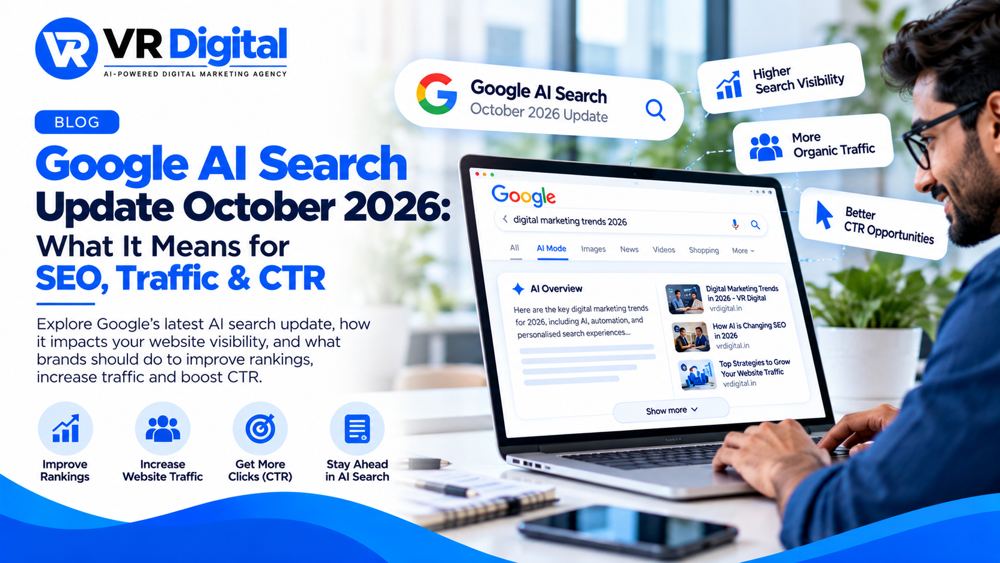
Google has made another change to AI-powered Search, and this one deserves attention from anyone relying on organic traffic. In an October 2026 update, Google described improvements to how people discover and open sources from AI Mode and AI Overviews. For website owners, the important question is simple: will searchers still have a reason to click?
The answer depends less on chasing a new trick and more on making your pages genuinely useful. Clear explanations, first-hand insight, reliable sources and a good browsing experience all help people decide whether to visit your site after reading an AI-generated summary.
What is changing in Google AI Search?
Google's October announcement focuses on making links and source information more noticeable within AI-powered search experiences. The aim is to help people explore websites behind the answers they see. Read Google's original announcement for the product details.
That is an opportunity, not a promise of additional clicks. Your pages still need to answer a real need. For brands reviewing their approach to AI search optimisation, it makes sense to think about what users will gain from visiting the original page instead of stopping at the summary.
What does this mean for SEO rankings and website traffic?
Traditional search results and AI-generated answers can both influence how people find information. A searcher might get a quick overview from Google, then open a source to compare options, check prices, read detailed instructions or contact a specialist.
That makes the quality of the landing page especially important. A useful introduction, logical headings and relevant next steps are more valuable than repeating the same keyword. Our search engine optimisation services bring those content decisions together with technical improvements and conversion goals.
How can businesses improve click-through rate?
Start with Google Search Console. Look for queries where your pages receive impressions but relatively few clicks. Read the search results yourself: does your title clearly explain what the page offers? Does it match what someone wants to know? Is your content more helpful than the short answer they already see?
A stronger title can help set expectations, but it should never exaggerate the page's content. If your rankings are stable and CTR is falling, investigate changes in the search results before assuming the title is the only problem. A website SEO audit can help identify which pages deserve attention first.
Five actions worth taking after the October update
1. Give readers something beyond the summary
Offer practical examples, comparisons, checklists, original observations and answers to follow-up questions. A visitor looking for a local marketing agency, for instance, may want to know what services are included, how a project works and what happens after an enquiry.
Write for that decision rather than a search engine alone. Where location matters, connect the article naturally to a relevant digital marketing agency in Jaipur page so the reader can continue without hunting through menus.
2. Make your website easy to crawl and use
Even excellent writing can struggle if important pages are blocked, slow or hard to navigate. Review indexing, mobile usability, internal links, canonical tags and the way pages are structured. Keep the main answer easy to find.
Do not treat structured data as a shortcut to rankings. Use it accurately where appropriate, then focus on a clean experience. Our technical SEO services address the underlying issues that can prevent valuable pages from being discovered and used.
3. Build internal links around real reader journeys
An article about AI search might lead to an SEO service page. A guide about ecommerce visibility might point to category optimisation or product discovery. Each link should make sense in context and help the visitor take the next step.
Avoid forcing the same anchor text into every paragraph. Instead, connect related ideas. For ecommerce brands, Shopify SEO is one example of a service that fits naturally when discussing organic product discovery.
4. Keep the information trustworthy and current
Reference original announcements, distinguish opinions from confirmed changes and avoid unsupported traffic claims. Dates matter when you are covering fast-moving search features. Revisit older posts when an update changes the advice.
Trust also comes from being clear about your business. Explain who provides the service, what the process includes and how people can get in touch. A useful performance marketing strategy should connect visibility to enquiries and measurable outcomes, not just impressions.
5. Measure clicks and enquiries, not rankings alone
Track impressions, clicks, CTR, organic landing-page visits and meaningful conversions. Compare similar periods and pay attention to branded versus non-branded queries. A higher ranking is encouraging, but it does not automatically mean more business.
If paid search is part of your acquisition mix, measure it separately from organic SEO. Your Google Ads campaigns can provide another source of qualified visits, but they should not be confused with the impact of an AI Search update.
What should VR Digital clients do next?
Choose a handful of pages that already matter to your business. Check whether their titles match intent, whether their content answers the next question and whether visitors can easily reach the right service or contact page. Make the most useful changes first, then watch performance over time.
Google's October 2026 announcement makes source discovery a little more prominent in AI Search, but the fundamentals remain familiar: be useful, be credible and make it easy to act. If your website gets impressions without enough clicks or enquiries, request a free SEO audit from VR Digital to find a sensible starting point.